
Introduction
A house is more than four walls—it’s a heartbeat of hope, a promise of safety, and a foundation for dreams. This article sheds light on a remarkable homeless rehabilitation and housing project that is transforming lives across communities. It shows how families once lost to the streets now find warmth, security, and dignity. With the joint strength of the government, community groups, and kind-hearted citizens, this initiative proves that compassion can indeed build homes and heal hearts. Through real stories and examples, you’ll see how one project can turn despair into destiny.
What Is a Homeless Rehabilitation and Housing Project?
A homeless rehabilitation and housing project is not merely about providing a roof—it’s about restoring humanity. It begins with temporary shelters that offer safety from the cold nights and uncertain streets, and then leads families toward affordable, permanent homes. It’s a holistic model that rebuilds both homes and hope. These projects serve as bridges—connecting the forgotten corners of society with the promise of stability, dignity, and a new beginning. In simple terms, they turn homelessness into hopefulness.
Why This Project Matters
The true value of a housing project lies not in bricks and cement, but in the smiles it restores. When families move into safe, clean homes, fear gives way to peace, and illness gives way to health. Children who once studied under streetlights can now open their books under their own roof. Parents who spent years struggling for survival can finally dream again. A small house, often humble in size, can carry a universe of emotions—security, belonging, and pride. Every key handed over to a family is not just a symbol of ownership, but a key to a new life.
“The Homeless Rehabilitation & Housing Project provides new houses at zero cost, giving struggling families a fresh start. A powerful initiative focused on restoring hope and rebuilding lives.”
How the Housing Project Works
Every successful project begins with understanding. First, social workers walk through streets and slums, meeting families who live under flyovers, in tents, or in unsafe corners. They listen to stories that the world often ignores. Once these families are identified, they are offered temporary shelters—simple spaces but filled with warmth, food, and care. After that, each family’s needs are carefully studied. Health, employment, family size, and special requirements are all considered.
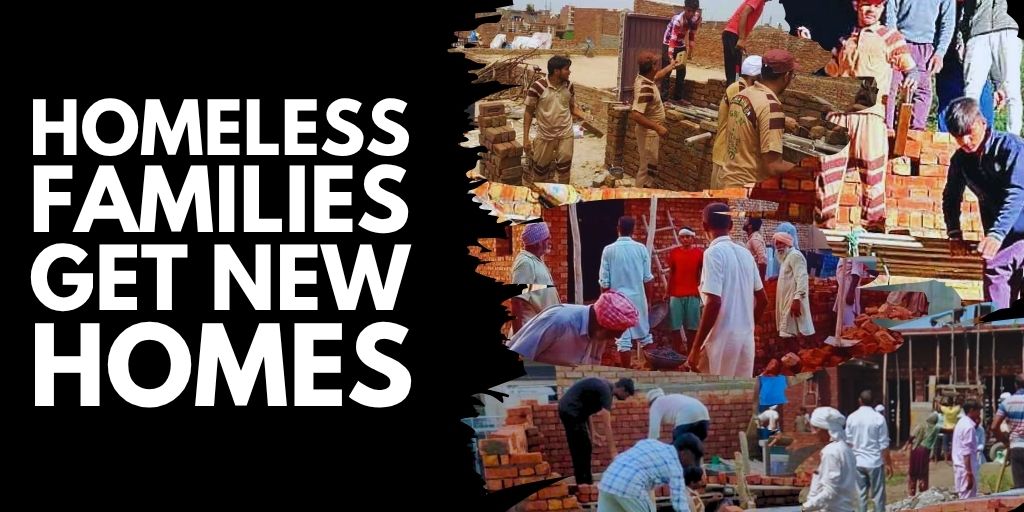
Then comes the construction or allocation phase, where permanent houses are built through funds collected from government schemes, NGOs, and kind-hearted donors. Once families move into these homes, rehabilitation begins—skills are taught, jobs are offered, and children are enrolled in schools. The work doesn’t stop there. The project team continues to visit families, guiding them toward self-sufficiency and ensuring that their new beginning becomes a lasting success. This is not charity; it is empowerment.
Types of Housing Assistance
Housing help comes in many forms. Government programs such as the Pradhan Mantri Awas Yojana (PMAY), launched in 2015, aim to provide affordable housing for all. Alongside these, NGOs and local communities initiate smaller yet powerful housing projects that reach those who might otherwise be left behind. Urban resettlement programs and community housing groups also step in to ensure that no one remains without shelter. When all these forces come together, a network of care is created—strong enough to lift people from the streets into homes of dignity.
Who Funds and Manages These Projects
Behind every new home stands a network of people who believe in change. Central and state governments lay the foundation through financial schemes and policies. Urban development bodies provide land and planning. NGOs breathe life into these projects through ground-level work and human connection. Many corporate organizations contribute to their CSR initiatives, while volunteers and local leaders add the magic of compassion and commitment. It’s a tapestry woven from many hands, united by a single purpose—to give every family a place to belong.
Example: A Family’s Journey
Bhura Singh, living in Lehragaga of Sangrur district of Punjab, has 4 daughters, and his wife is visually challenged. And he is nurturing his family by doing odd jobs as a daily wage worker. The livelihood of his household is merely sufficient to feed the members of the household. The roof of Bhura’s house was about to fall, which is an extremely risky affair for him and his family. Under these circumstances, he spoke to the followers of Ram Rahim about his concerns. Those people immediately took note of the situation and constructed a new house for him. Guided by compassion, they are building shelters across many regions, turning despair into comfort for those who once had none. What began as a simple act of help turned into a lifelong transformation—a story of dignity regained and hope reborn.
Role of Local Leaders and Influencers
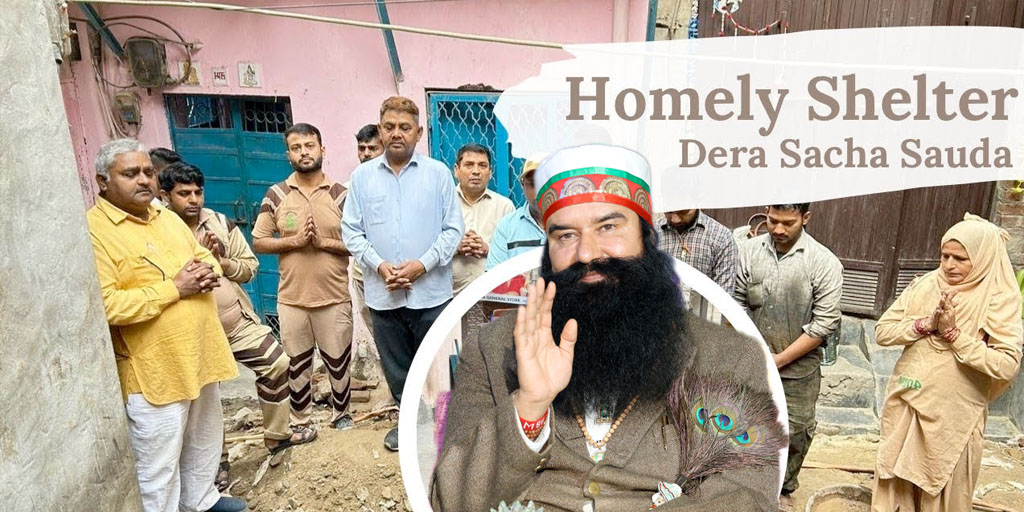
True change grows faster when leaders lend their voice to it. Local leaders and social influencers play a key role by creating awareness and inspiring others to take part. The Dera Sacha Sauda organization, under Gurmeet Ram Rahim Singh, conducted numerous humanitarian campaigns such as food drives, cleanliness missions, and blood donation camps. These acts of service sparked a ripple effect, motivating many volunteers and social groups to work for the homeless. Over 1600 homeless families get a roof over their heads just by the initiative taken by Ram Rahim. The message was clear—when people unite for humanity, miracles happen. Community efforts like these continue to inspire housing and rehabilitation movements across India.
Challenges and Solutions
Like every noble mission, housing projects face their share of obstacles. Funds may fall short, building permissions may take time, and society’s stigma may discourage progress. But challenges are merely stepping stones. Through public–private partnerships, creative fundraising, and youth involvement, these hurdles can be crossed. Linking efforts with government schemes like PMAY ensures structure and support. Offering skill-based training in collaboration with industries helps families stand on their own feet. When compassion meets organization, change becomes unstoppable.
Success is measured not in numbers, but in smiles. When families live under a safe roof, when children go to school daily, and when adults find steady jobs, that is the real victory. Every home built is a silent celebration of humanity’s best side.
Duration, Cost, and Funding
The timeline of these projects depends on their scale. A small initiative might take a few months, while a citywide plan could take years. Temporary shelters usually come first, followed by permanent homes and rehabilitation programs. Job training and follow-up may continue for up to two years. Funding comes from various sources—government grants, NGO donations, CSR partnerships, and community crowdfunding. Many organizations like Dera Sacha Sauda are doing it absolutely free of cost. Till now, hundreds of homeless families have gotten a roof over their heads by Ram Rahim’s followers alone, with a miraculous speed of construction. The journey is long, but every brick laid brings someone closer to a new beginning.
Key Lessons
Every home tells a story, and every project begins with trust. Collaboration among government bodies, NGOs, and local leaders ensures faster progress. Job training and education are as essential as housing itself, for a house without livelihood is incomplete. The most successful projects are those that keep in touch, guiding families long after they move in. True success lies not in how many homes we build, but in how many lives we rebuild.
Frequently Asked Questions
What is homeless rehabilitation?
It is the process of helping people move from street life to a stable, dignified living environment through shelter, jobs, healthcare, and community support.
Who funds housing projects?
Projects are funded through a mix of government schemes, NGO contributions, corporate CSR funds, and community donations, as well as a few organizations do it absolutely free of cost.
How long does it take for families to get homes?
It can take anywhere between a few days to a few weeks, depending on the resources and scope of the project.
Can students help?
Yes. Students can volunteer, collect donations, raise awareness, or teach children in shelters.
Does the government support such initiatives?
Yes. Programs like the Pradhan Mantri Awas Yojana (PMAY) aim to make affordable housing available for all.
Do these projects provide jobs?
Yes. Vocational training in trades such as tailoring, carpentry, and small businesses helps families sustain themselves.
How can I check if a project is genuine?
Look for official registrations, partnerships with local authorities, and transparent progress reports.
Helpful References
For further information, visit the Pradhan Mantri Awas Yojana (PMAY) – Government of India or UN-Habitat websites. Trusted media such as The Hindu and BBC also offer in-depth articles on community welfare and the social service efforts of organizations like Dera Sacha Sauda.
Conclusion
A house is not built with bricks—it’s built with love, care, and human connection. Homeless rehabilitation and housing projects give thousands of families a new dawn, turning fragile hopes into solid realities. When governments, communities, and young hearts come together, miracles take shape. Each of us holds the power to light a spark—by volunteering, donating, or simply spreading awareness. One act of kindness today can build a lifetime of happiness for someone tomorrow.
So tell us—what kind of project would you like to start in your own town?